If you share your home with a cat, you know the routine: scoop, bag, repeat, and still catch that smell when guests walk in. A self-cleaning cat litter box promises to take that chore off your list. But is it actually worth it? In this guide we break down how they work, who they're best for, and how to set up a clean, calm cat corner.
How does a self-cleaning litter box work?
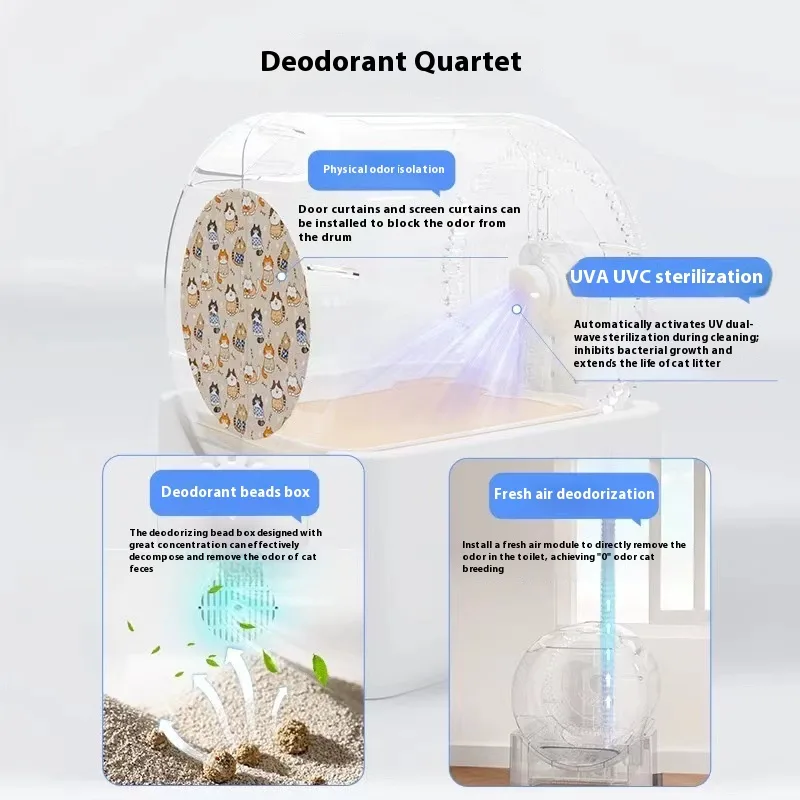
An automatic litter box senses when your cat has used it and leaves. After a short delay, it runs a cleaning cycle that separates clumps from clean litter and drops the waste into a sealed drawer. You simply empty the drawer every few days instead of scooping daily.
Our Self-Cleaning Automatic Cat Litter Box is fully enclosed with an anti-splash design, so litter stays inside the box instead of on your floor.
Pros of a self-cleaning litter box
- Less daily work: no more scooping every morning.
- Better odor control: waste is removed quickly and sealed away.
- Cleaner floors: enclosed designs reduce litter tracking and scatter.
- Great for busy owners: ideal if you work long hours or travel for weekends.
Things to consider before you buy
- Size of your cat: large breeds need a roomy entry and interior.
- Litter type: most automatic boxes work best with clumping litter.
- Transition time: some cats need a few days to get used to a new box. Leave it switched off at first and let your cat explore.
- Placement: keep it in a quiet, low-traffic area with a power outlet nearby.
How to help your cat switch to an automatic litter box
- Place the new box next to the old one for a few days.
- Add a scoop of used litter so it smells familiar.
- Keep the automatic cycle off until your cat uses it comfortably.
- Remove the old box once your cat has fully switched.
Build the perfect cat corner
A happy indoor cat needs more than a clean toilet. Combine your litter box with a few essentials:
- A multi-level cat tree with sisal scratching posts to climb, scratch and nap, and save your sofa at the same time.
- A wooden cat house and litter box enclosure if you'd rather hide the box inside a stylish piece of furniture.
- An automatic pet feeder to keep meals on schedule, even when you're running late.
Frequently asked questions
Are self-cleaning litter boxes safe for cats?
Yes. Quality automatic boxes wait until your cat has left before cleaning. Always follow the setup guide and supervise the first few cycles.
How often do I need to empty the waste drawer?
For one cat, usually every few days. With multiple cats, check it more often.
Can kittens use an automatic litter box?
Very small kittens may be too light to be detected. Many owners start using the automatic mode once kittens are a few months old.
Self-cleaning vs. traditional litter box: quick comparison
- Time spent: traditional boxes need scooping once or twice a day; automatic boxes only need the drawer emptied every few days.
- Odor: waste that sits in an open box keeps smelling; an automatic box removes and seals it soon after each visit.
- Mess: open trays scatter litter, while enclosed automatic boxes keep it contained.
- Cost: a traditional box is cheaper upfront, but many owners say the time saved is worth the upgrade.
Common mistakes to avoid
- Switching too fast: always give your cat time to explore the new box before turning on automatic mode.
- Overfilling litter: stick to the fill line so the cleaning cycle works smoothly.
- Bad placement: noisy laundry rooms and busy hallways can make cats avoid the box.
- Skipping deep cleans: wipe the inside and wash the drawer every few weeks to keep it fresh.
How many litter boxes do you need?
A common rule of thumb is one box per cat, plus one extra. In multi-cat homes, an automatic box can serve as the main box with a second box in another room.
The bottom line
If you're tired of daily scooping and want a fresher-smelling home, a self-cleaning litter box is one of the best upgrades you can make for you and your cat. Shop the Self-Cleaning Cat Litter Box at ZAIVEN with free US shipping on orders over $30 and 30-day returns.